
If you are waiting for the “Foreign Buyer Ban” to expire so you can list your luxury condo, you are going to be waiting a while longer.
Originally sold to Canadians as a temporary “two-year cooling-off period” ending in 2025, the federal government quietly extended the Prohibition on the Purchase of Residential Property by Non-Canadians Act until January 1, 2027. (Source: Department of Finance).
But in 2026, the narrative has shifted. The ban isn’t the silver bullet it was promised to be. The real story is now the aggressive enforcement of the Housing Accelerator Fund (HAF) and the sudden “termination” of funding for cities that don’t comply.
The Policy Pivot: From “Banning” to “Strong-Arming”
While the Foreign Buyer Ban grabs headlines, the real action is happening in municipal zoning offices.
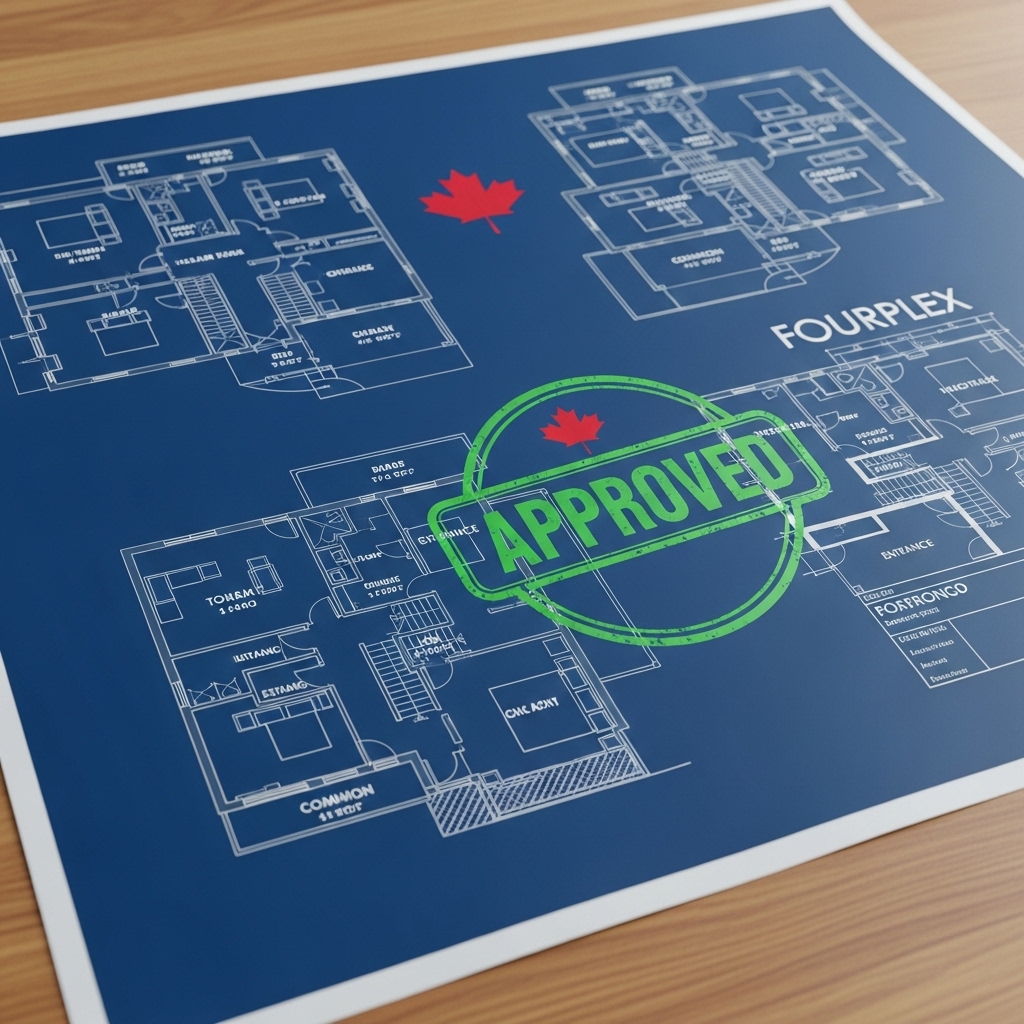
The “Tecumseh” Precedent: In January 2026, we saw a rare move by the federal government. The Town of Tecumseh officially had its Housing Accelerator Fund (HAF) agreement terminated. Why? Because the council refused to allow “four units as-of-right” (fourplexes) on residential lots.
The Message is Clear: The “Free Money” era is over. In 2024/2025, cities signed deals promising density. In 2026, the Feds are checking the receipts. If cities don’t upzone, the cheques are stopping.
The Math: Immigration Cuts vs. Housing Starts
The biggest factor for 2026 isn’t foreign investors; it is domestic population policy.
New data from RBC Economics projects that the federal government’s aggressive cuts to permanent resident targets will result in a significant drop in household formation. (Source: RBC Economics).
The “Rental Cliff”: This is good news for renters. With fewer international students arriving in September 2026 compared to the 2024 peak, the vacancy rate crisis in university towns is finally expected to stabilize.
The Scorecard: What is Actually Moving the Market?
For prospective buyers and investors, it is vital to distinguish between political theater and market reality.
| Policy Tool | Status (2026) | Market Impact |
|---|---|---|
| Foreign Buyer Ban | Active (Extended to Jan 1, 2027) | Low. (Exemptions for students/workers diluted it) |
| Housing Accelerator (HAF) | Aggressive. (Funding being pulled for non-compliance) | High. (Forcing density/fourplexes everywhere) |
| Immigration Caps | Strict. (Study permits slashed by ~45%) | High. (Cooling the rental market rapidly) |
People Also Ask
When does the ban on foreign buyers end in Canada?
The ban has been extended. Originally set to expire in 2025, the federal government announced in 2024 that the Prohibition on the Purchase of Residential Property by Non-Canadians Act will now remain in force until January 1, 2027.
Can international students buy a house in Canada in 2026?
Yes, but with strict conditions. International students can purchase one residential property for under $500,000, provided they have been in Canada for five years and have filed income tax returns for each of those years.
What is the Housing Accelerator Fund (HAF)?
The HAF is a $4-billion federal initiative that pays municipalities to speed up housing construction. In 2026, the government began terminating agreements with cities (like Tecumseh) that failed to implement promised zoning changes.
Are housing prices expected to drop in 2026?
Most forecasts, including those from RBC and CMHC, predict a “stabilization” rather than a crash. While immigration cuts are reducing rental demand, the structural shortage of supply means prices in major metros (Toronto, Vancouver) are likely to remain flat or rise slightly.