
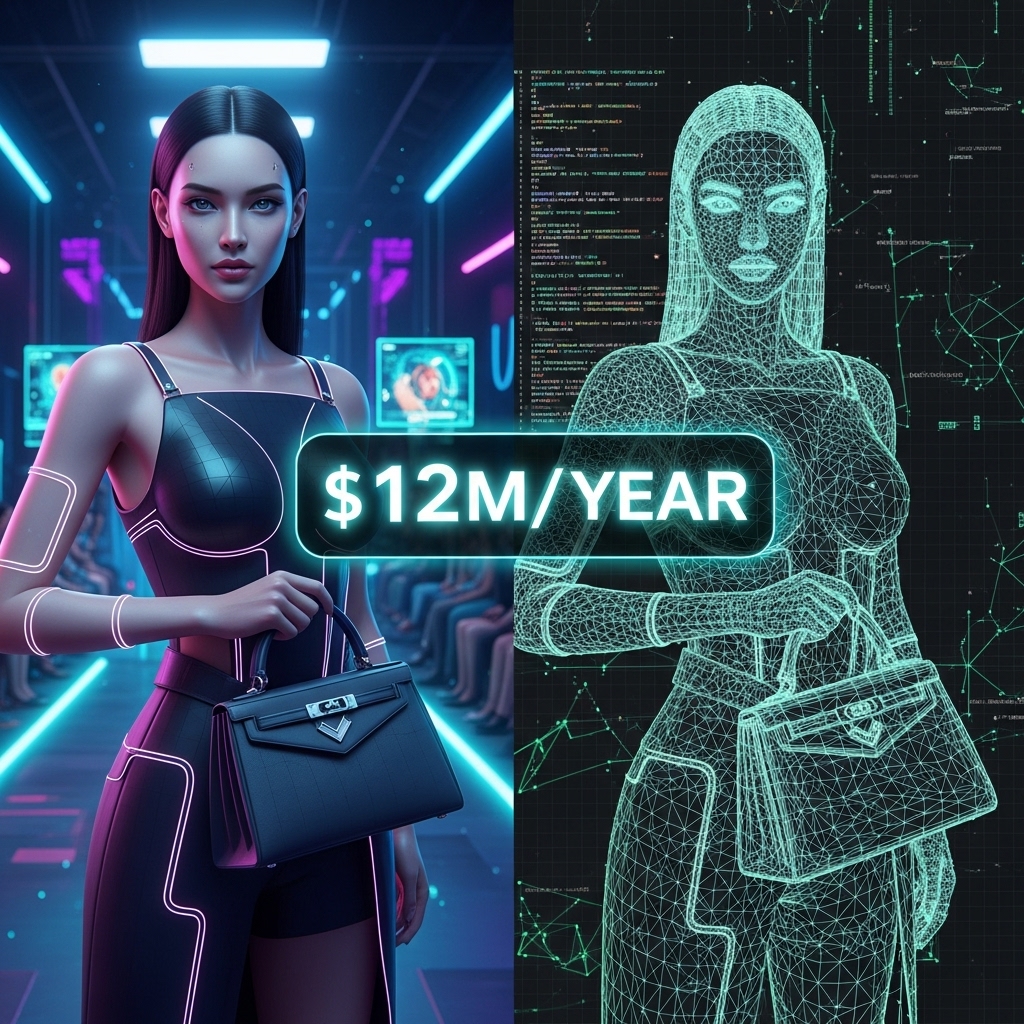
Meet Miquela. She is 19 years old, lives in LA, wears Prada, and has 6.7 million followers. Last year, she earned an estimated $12 million.
The catch? She isn’t real.
Lil Miquela is a CGI construct, the most famous face of the “AI Influencer” boom that is reshaping marketing in 2026. While human creators burn out, demand pay raises, and get cancelled, their digital rivals work 24/7 for a fraction of the cost. Here is the technical breakdown of the “Virtual Human” economy and the new Canadian laws trying to control it.
The Economics: Why Brands Are Ditching Humans
For a marketing executive in 2026, the math is brutal.
The Cost Gap: Hiring a mid-tier human influencer (100k followers) for a campaign costs roughly $5,000 per post, plus travel, hotels, and photographers.
The AI Alternative: An AI agency can generate a photorealistic model for $500. The “talent” doesn’t need a plane ticket to Paris; they just need a prompt.
The Result: Brands like BMW, Calvin Klein, and Canadian retailers are quietly shifting budgets to “Virtual Ambassadors” who never show up late and never tweet something controversial.
The “Uncanny Valley” Trap: The New 2026 Rules
The explosion of fake people led to a regulatory crackdown. In late 2025, Ad Standards Canada updated its Influencer Marketing Disclosure Guidelines to specifically target synthetic media.
If you are scrolling Instagram today, look closely at the hashtags. The old `#Ad` isn’t enough anymore.
The New Labels:
- #VirtualImage: Mandatory if the “person” doesn’t exist.
- #AIcreated: Required if the environment or product was generated, even if the human is real.
- The “Truth in Texture” Rule: AI influencers are banned from reviewing skincare or food products unless they clearly state they cannot experience the biological results. A robot cannot tell you if a moisturizer “feels” hydrating.
The Scorecard: Human vs. AI Creator
For brands and aspiring creators, the competition is no longer just other people. It’s code.
| Feature | Human Influencer | AI Influencer (Virtual) |
|---|---|---|
| Cost Per Post (Avg) | $5,000+ (High Overhead) | $500 – $1,200 (Software Cost) |
| Risk Factor | High (Scandals, Past Tweets) | Zero. (Controlled by Brand) |
| Engagement Rate | ~2.3% (Declining) | ~5.8% (High Novelty) |
| Disclosure Rules | #Ad / #Sponsored | #Ad + #VirtualImage |
People Also Ask
Are AI influencers legal in Canada?
Yes, but they must follow strict disclosure rules. Under the updated 2025 Ad Standards Guidelines, any content featuring a virtual influencer must be clearly labeled with hashtags like #VirtualImage or #AIcreated to avoid misleading consumers.
How much money does Lil Miquela make?
Lil Miquela, the world’s top virtual influencer, earns an estimated $12 million USD per year through brand deals with companies like Prada, Calvin Klein, and Samsung. She charges approximately $16,000+ per Instagram post.
Can AI influencers review products?
It is legally risky. Regulators (including the Competition Bureau) have flagged that an AI cannot truthfully “review” a sensory experience. An AI cannot taste food or feel skincare cream. Claiming they “love the taste” would likely be considered deceptive marketing.
Why do brands use AI influencers?
Control and Cost. AI influencers never go “off script,” never have scheduling conflicts, and cost significantly less to produce than a full human photoshoot. They also generate higher engagement rates due to the novelty factor.