
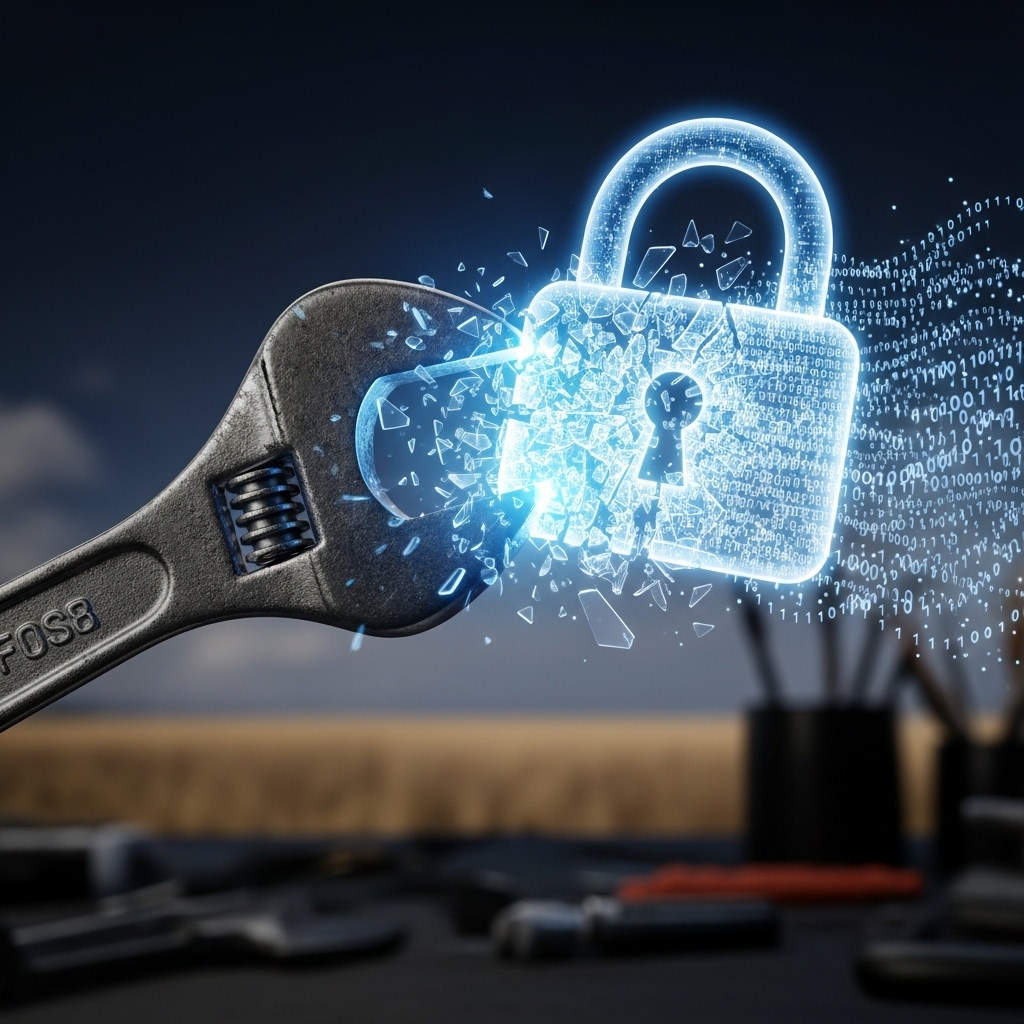
For two decades, buying a tractor, a smartphone, or even a ventilator came with a hidden catch: you bought the hardware, but you only “rented” the software.
If you tried to fix it, you were technically a hacker.
But in 2026, the script has flipped. With the federal Bill C-244 now fully protecting circumvention and Quebec’s Bill 29 setting the “Gold Standard” for durability, manufacturers are scrambling. Here is the technical breakdown of your new right to break digital locks.
The “Digital Lock” Pick: Bill C-244
The most significant change in Canadian law is the amendment to the Copyright Act (formerly Bill C-244).
The Old Rule: Manufacturers used “Technological Protection Measures” (TPMs)—digital locks—to prevent you from accessing diagnostic software. Breaking that lock was copyright infringement.
The 2026 Reality: It is now legal to bypass, hack, or disable a TPM if the purpose is diagnosis, maintenance, or repair.
Real World Example: If your $500,000 John Deere tractor throws an error code in the middle of harvest, you (or a local mechanic) can now legally crack the software to read the diagnostic data without waiting three days for an authorized dealer.
The “Quebec Standard”: Where Canada Gets Its Teeth
While Ottawa opened the digital door, Quebec forced manufacturers to walk through it.
Quebec’s Bill 29 (fully enforced as of October 2025) is currently the strictest anti-obsolescence law in North America.
The “Reasonable Time” Rule: Manufacturers selling in Quebec must ensure replacement parts and repair services are available for a “reasonable amount of time” (often defined as 5-7 years).
The “Common Tool” Mandate: It is illegal to design a product that requires proprietary, non-standard screwdrivers to open. If it can’t be opened with tools you can buy at a hardware store, it’s non-compliant.
The Scorecard: Federal vs. Provincial Rights
Understanding the difference between “Allowed to Fix” (Federal) and “Able to Fix” (Provincial) is critical for consumers.
| Feature | Bill C-244 (Federal) | Quebec Bill 29 (Provincial) |
|---|---|---|
| Primary Power | Decriminalization of hacking repair software. | Mandate for parts availability. |
| Planned Obsolescence | Silent. | Illegal. (Fines for designing products to fail). |
| Digital Locks (TPMs) | Allows you to break them. | No specific jurisdiction. |
| Who Benefits? | Farmers, IT Pros, Independent Shops. | Everyday Consumers (Appliances/Phones). |
People Also Ask
What is Bill C-244 in Canada?
Bill C-244 is an amendment to the Copyright Act that received Royal Assent in November 2024. It allows Canadians to circumvent “Technological Protection Measures” (digital locks) for the sole purpose of diagnosing, maintaining, or repairing a product.
Is planned obsolescence illegal in Canada?
Federally, no, but in Quebec, yes. Under Quebec’s Bill 29, it is illegal to sell goods for which obsolescence is planned. Manufacturers can face heavy fines if they design products specifically to fail or become irreparable.
Can I repair my own John Deere tractor in 2026?
Yes. Thanks to Bill C-244, you can legally bypass the software locks that previously prevented unauthorized repairs. Additionally, John Deere now sells a Customer Self-Repair tool (PRO Service) that allows owners to clear codes and pair new parts.
Does the Right to Repair apply to smartphones?
Yes. The federal amendments cover any product with embedded software, including smartphones. Furthermore, Quebec’s parts availability mandate means phone manufacturers must keep batteries and screens in stock for a reasonable period after you buy the device.