
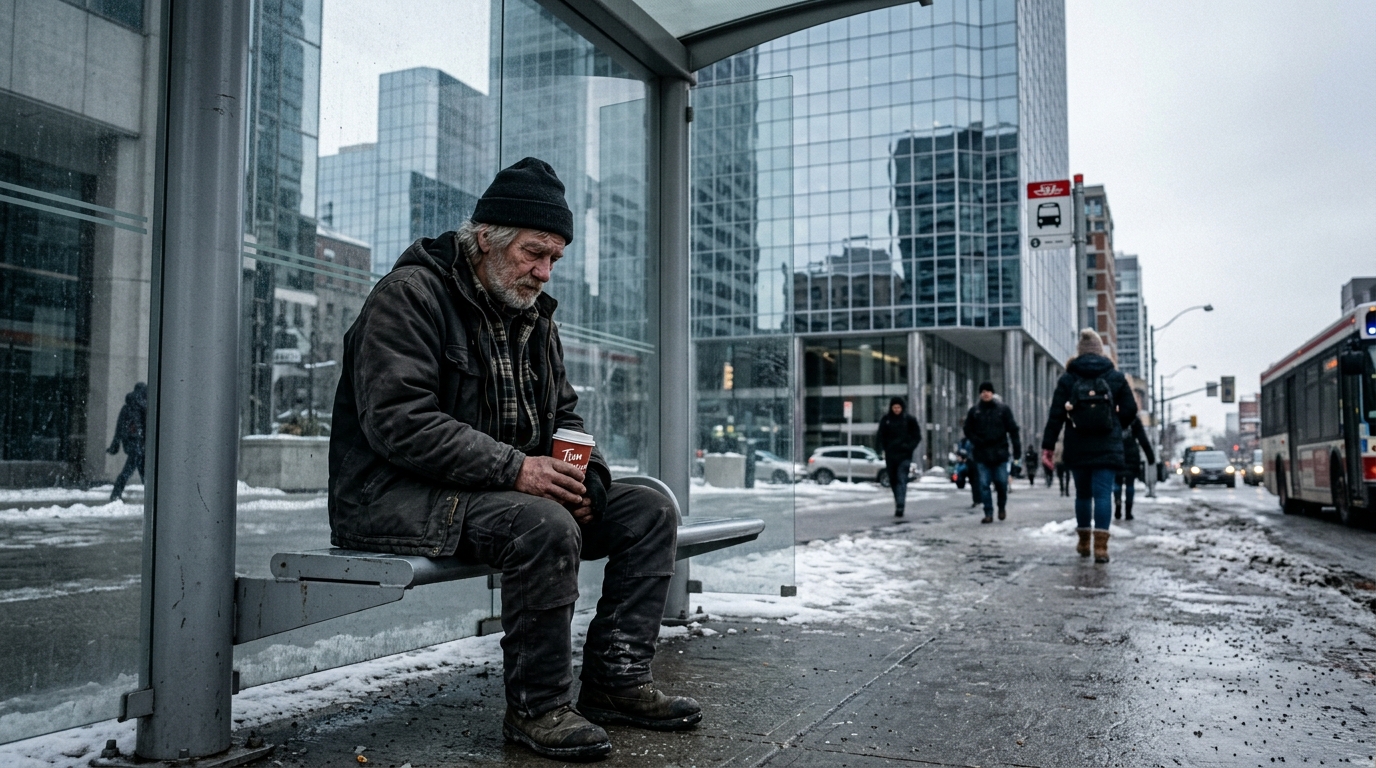
The narrative of the wealthy boomer — sitting on a paid-off house, drawing a comfortable pension, and preparing to transfer generational wealth to their children — is statistically real for a portion of Canada’s aging population. For a larger portion, it is not. A 2025 Statistics Canada survey found that 49% of Canadians aged 55 to 64 reported they did not have enough savings to maintain their current lifestyle in retirement. Among that group, 31% said they planned to rely primarily on the Canada Pension Plan and Old Age Security as their principal retirement income. This is a structural problem, not a personal finance failure.
As The Northern Star has reported across investigations into the housing wealth concentration that defines who in Canada has an asset buffer in retirement, the healthcare cost exposures that escalate sharply in retirement, and the labour market disruptions that interrupted contribution periods for millions of mid-career workers, Canada’s retirement income system is structurally misaligned with the economic realities of the generation now entering it.
1. What CPP and OAS Actually Pay
The political framing of CPP enhancement over the last decade has created a widespread misconception about what these programs actually deliver in retirement income:
- CPP Maximum Monthly Benefit (2026): $1,433/month ($17,196/year) — but this is the maximum, paid only to workers who contributed at the maximum rate for 39+ years. The average CPP payment received by new retirees in 2026 is $789/month — reflecting interrupted contribution histories, self-employment gaps, caregiving periods, and lower-wage careers.
- OAS Maximum Monthly Benefit (age 65, 2026): $727/month ($8,724/year). Subject to clawback if net income exceeds $90,997 annually — ironically penalizing the retirees who most successfully supplemented CPP with private savings.
- Combined Maximum CPP + OAS: $2,160/month ($25,920/year). Statistics Canada’s 2025 low-income measure for a single person in a major Canadian city: $26,400/year. Maximum combined government retirement income sits at the poverty line for single retirees in urban Canada.
2. The Structural Gaps Driving the Crisis
Canada Retirement Income Reality Check (2026)
| Retirement Income Factor | Political Narrative | Statistical Reality (2026) |
|---|---|---|
| Average CPP Monthly Benefit | Enhanced CPP guarantees comfortable retirement income | $789/month average (new retirees) — 55% of maximum |
| Canadians with Workplace Pension | Employer pensions supplement government programs | Only 37% of private-sector workers have any workplace pension |
| Median RRSP Balance (age 55-64) | RRSP contribution room enables private retirement saving | $144,000 median — generating ~$480/month at 4% drawdown |
| Retiree Household Debt (avg) | Retirees enter retirement debt-free | $61,400 average debt at retirement (StatsCan 2025) — historic high |
People Also Ask
How much is CPP in 2026?
The maximum CPP monthly benefit in 2026 is $1,433/month, but the average payment received by new retirees is $789/month, reflecting interrupted contribution histories and lower-wage careers throughout many Canadians’ working years.
Is CPP enough to retire on in Canada?
No. Even at maximum, CPP plus OAS totals $2,160/month ($25,920/year) — at or below the low-income measure for a single person in major Canadian cities. Most retirees receive significantly less than maximum CPP.
Are Canadian boomers prepared for retirement?
49% of Canadians aged 55–64 reported in a 2025 Statistics Canada survey that they did not have enough savings to maintain their current lifestyle in retirement, with median RRSP balances of $144,000 generating approximately $480/month in sustainable drawdown income.